
news
why is agarwood so valuable understanding thE rarity of oud
Agarwood is frequently described as one of the world’s most valuable aromatic woods. Yet its value does not come simply from the tree itself.
The real story lies in resin formation, rarity, aroma, time and human appreciation.
Not Every Aquilaria Tree Contains Valuable Agarwood
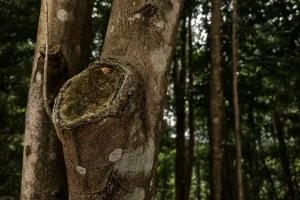
One of the biggest misconceptions about agarwood is that every Aquilaria tree automatically contains valuable fragrant wood.
It does not.
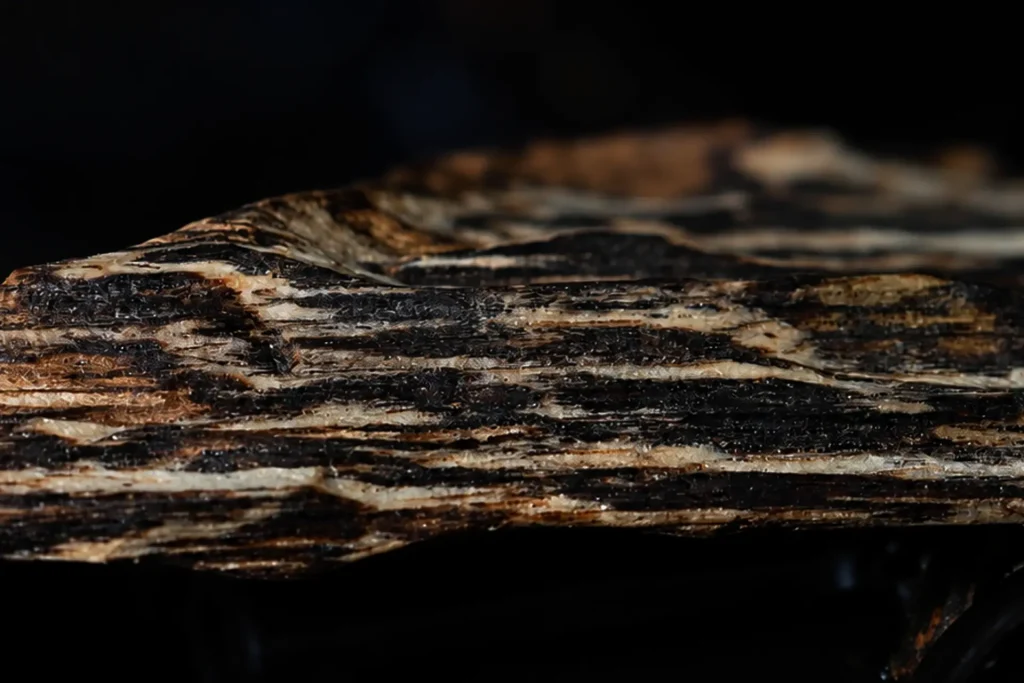
Agarwood develops through a biological defence response within the tree. As resin accumulates in affected areas, ordinary pale wood gradually develops darker and more aromatic characteristics.
The quantity, distribution and characteristics of this resin can vary considerably.
This natural uncertainty is one reason exceptional agarwood has historically been rare.
Aroma Determines More Than Appearance
Dark wood is not automatically high-quality agarwood.
Experienced collectors consider several characteristics, particularly aroma.
When properly heated, fine agarwood may produce an evolving aromatic profile rather than a simple burnt-wood smell.
Depending on its origin and characteristics, people may perceive woody, sweet, resinous, earthy, herbal, cooling or balsamic notes.
The complexity and persistence of these aromas contribute greatly to the appreciation of agarwood.
Geography and Species Matter
Different agarwood-producing regions have developed their own traditions and reputations.
Malaysia occupies an important place within this landscape because it is naturally home to Aquilaria malaccensis and several other native Aquilaria species.
However, geographical origin alone should never guarantee quality.
Species identification, resin characteristics, provenance, processing and expert assessment are all important when evaluating agarwood.
Centuries of Cultural Demand
Agarwood has been valued across different civilisations for incense, perfumery, cultural practices and traditional uses.
In the Middle East, it became widely known as oud.
Across Asian incense traditions, aromatic woods became materials for contemplation, ceremony and fragrance appreciation.
This combination of natural rarity and centuries of cultural demand helped establish agarwood as a prestigious aromatic material.
Rarity Must Lead to Responsibility
High value can create conservation challenges.
When wild trees are indiscriminately harvested in search of resin, valuable genetic resources can disappear before they are properly studied or conserved.
Therefore, the future value of agarwood should not be measured only by price.
True value also means knowing its origin, protecting natural populations, supporting responsible sourcing and ensuring that future generations can continue studying and appreciating this extraordinary material.
Agarwood is valuable because nature takes time to create complexity.
Protecting that process may ultimately be its greatest value.
recent post