aquilaria species
- DISCOVER AQUILARIA
FIVE NATIVE SPECIES. ONE MALAYSIAN HERITAGE.
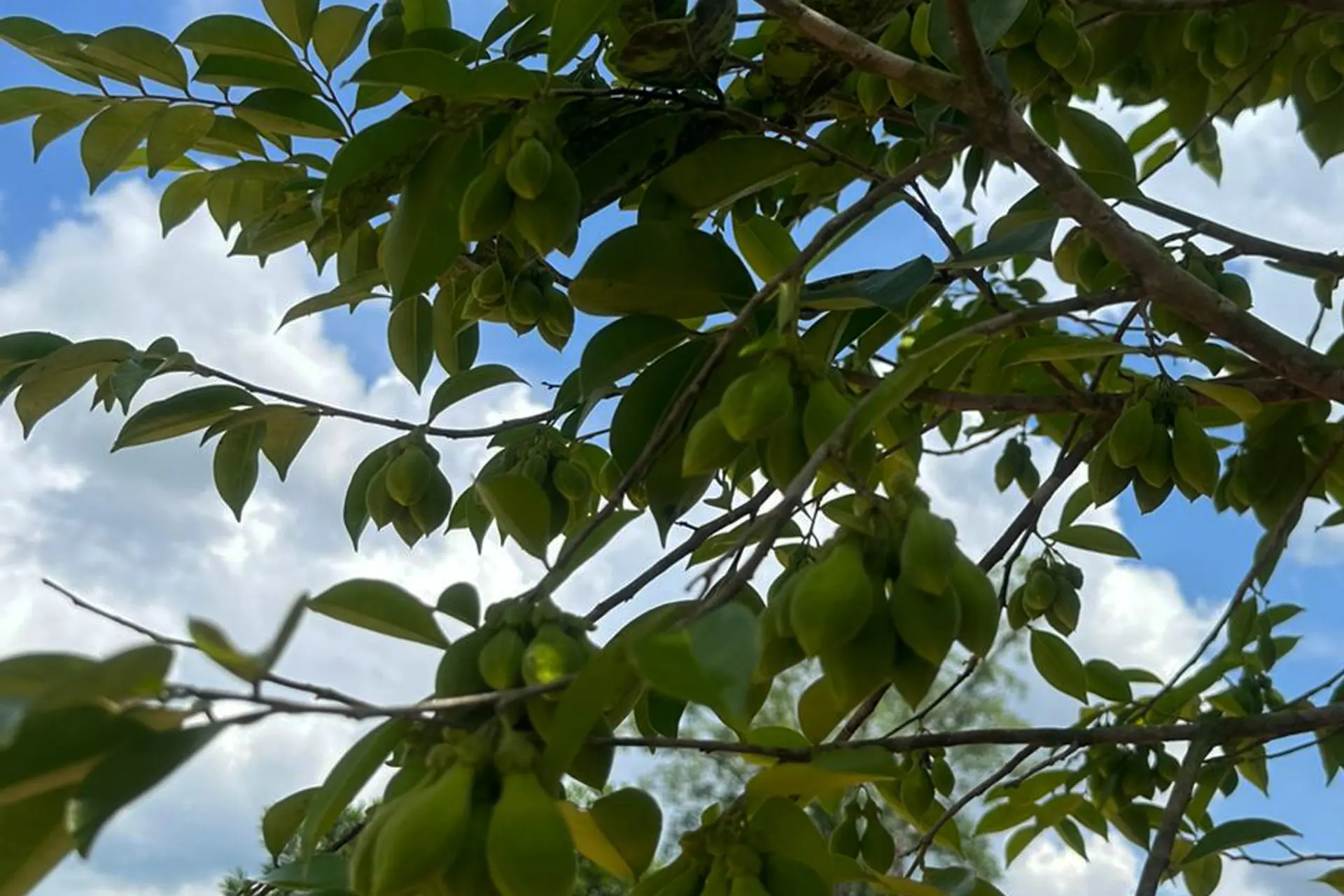
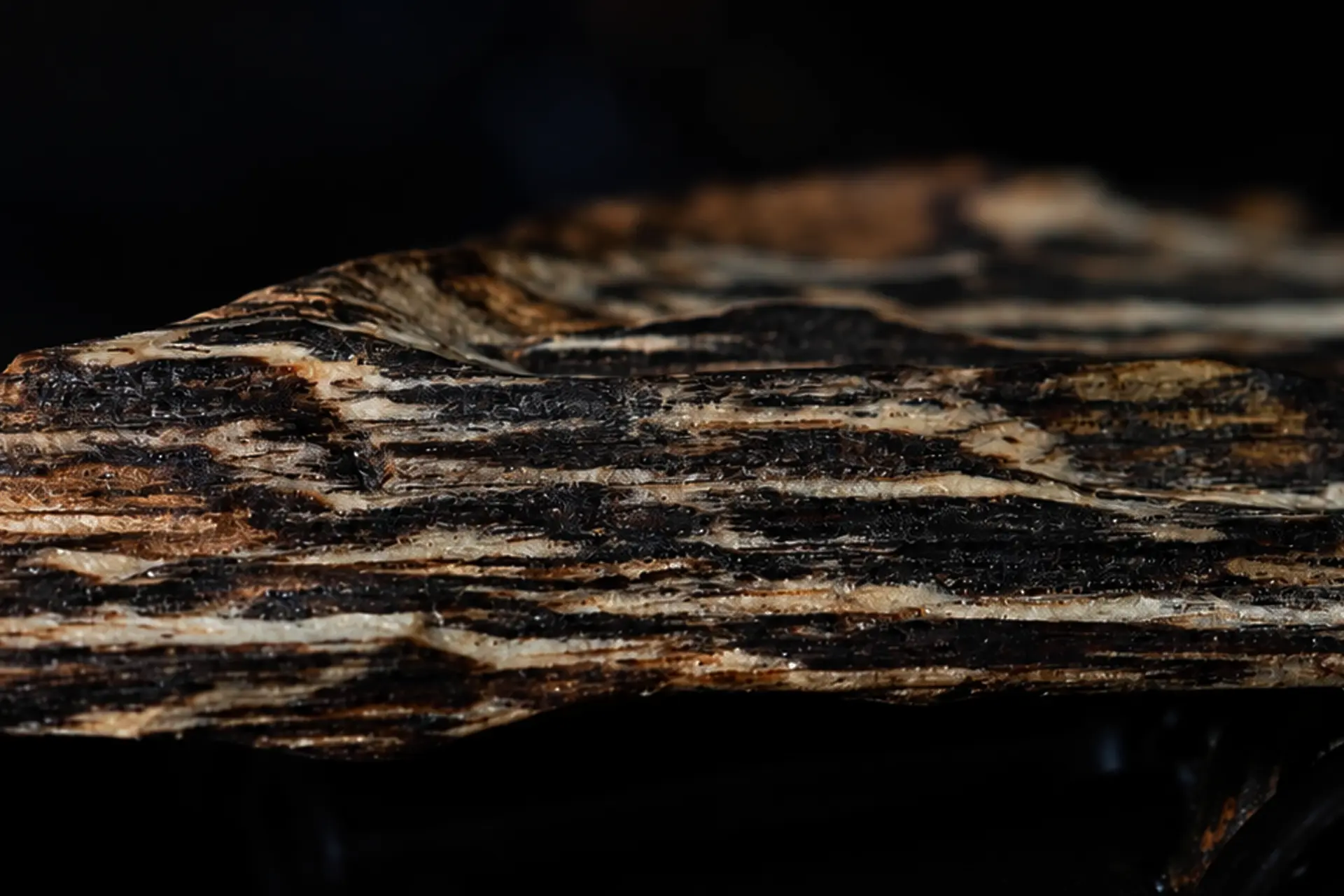
Agarwood begins with Aquilaria — a genus of tropical trees belonging to the Thymelaeaceae family. Under particular biological conditions, these trees can develop the aromatic resinous wood known internationally as agarwood, gaharu or oud.
Peninsular Malaysia is home to five identified Aquilaria species: Aquilaria malaccensis, Aquilaria microcarpa, Aquilaria hirta, Aquilaria beccariana and Aquilaria rostrata. Together, they form an important part of Malaysia’s natural agarwood biodiversity.
Understanding these different species is essential to understanding Malaysian agarwood itself. Each represents part of a wider biological heritage shaped by Malaysia’s tropical forests, ecosystems and long relationship with agarwood.
AQUILARIA MALACCENSIS
One of Malaysia's most recognised agarwood-producing species, A. malaccensis occurs across several forest environments in Peninsular Malaysia, including lowland dipterocarp, semi-freshwater swamp and coastal hill forests.
AQUILARIA MICROCARPA
One of the five Aquilaria species identified in Peninsular Malaysia and part of the country's native agarwood-producing botanical diversity.
AQUILARIA HIRTA
A native Malaysian Aquilaria and one of the five species officially identified in Peninsular Malaysia.
AQUILARIA BECCARIANA
Another native member of Malaysia's Aquilaria diversity and one of the recognised agarwood-producing species of Peninsular Malaysia.
AQUILARIA ROSTRATA
One of Peninsular Malaysia's five identified Aquilaria species. MyBIS also records A. rostrata as native, although its database notes that the taxonomic status shown there is pending approval.
SPECIES PROFILE
GENUS : AQUILARIA
FAMILY : THYMELAEACEAE
REGION : PENINSULAR MALAYSIA
NATIVE DIVERSITY : 5 IDENTIFIED SPECIES
HABITAT : TROPICAL FOREST ECOSYSTEMS
SIGNIFICANCE : AGARWOOD & BIODIVERSITY
ABOUT AQUILARIA
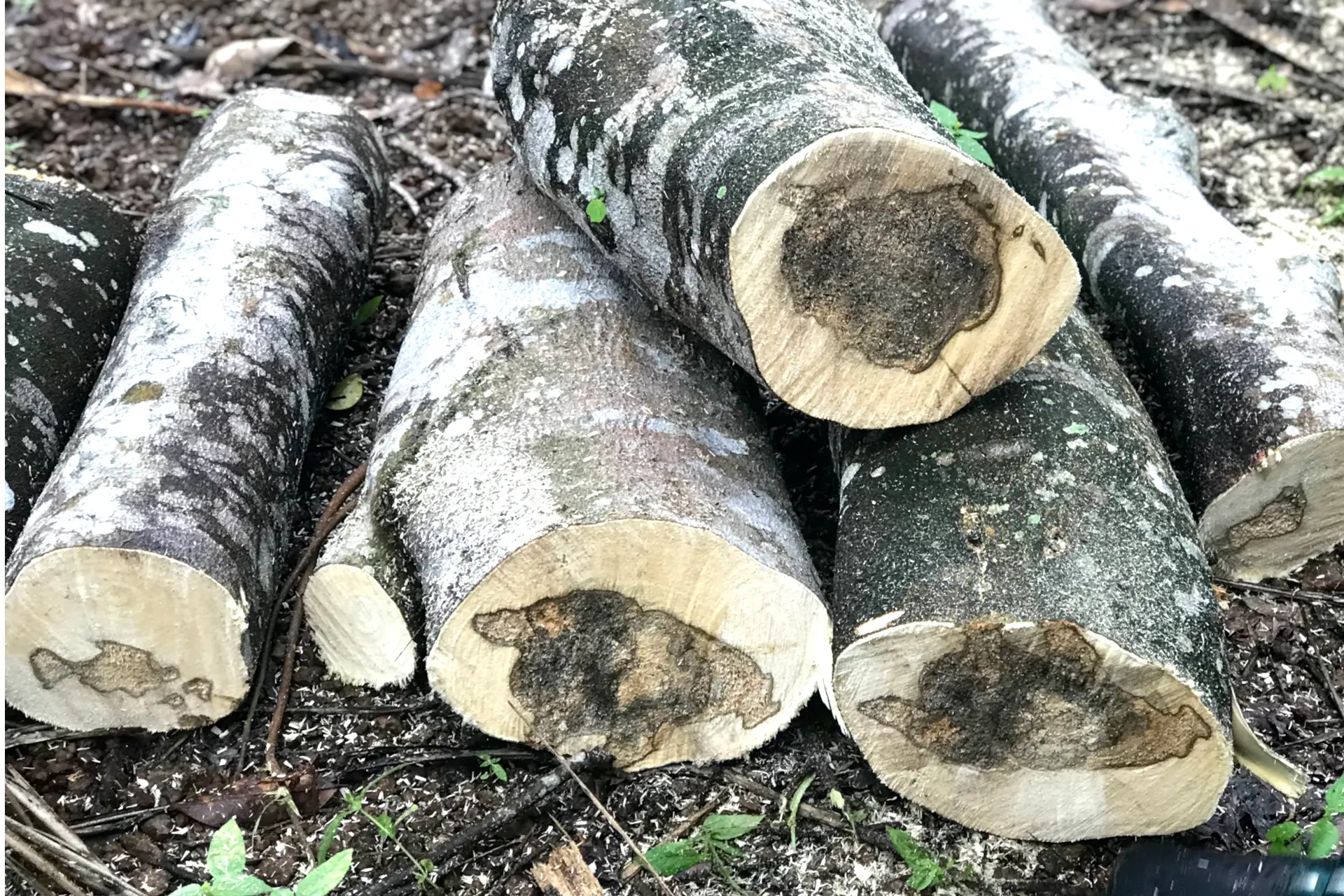
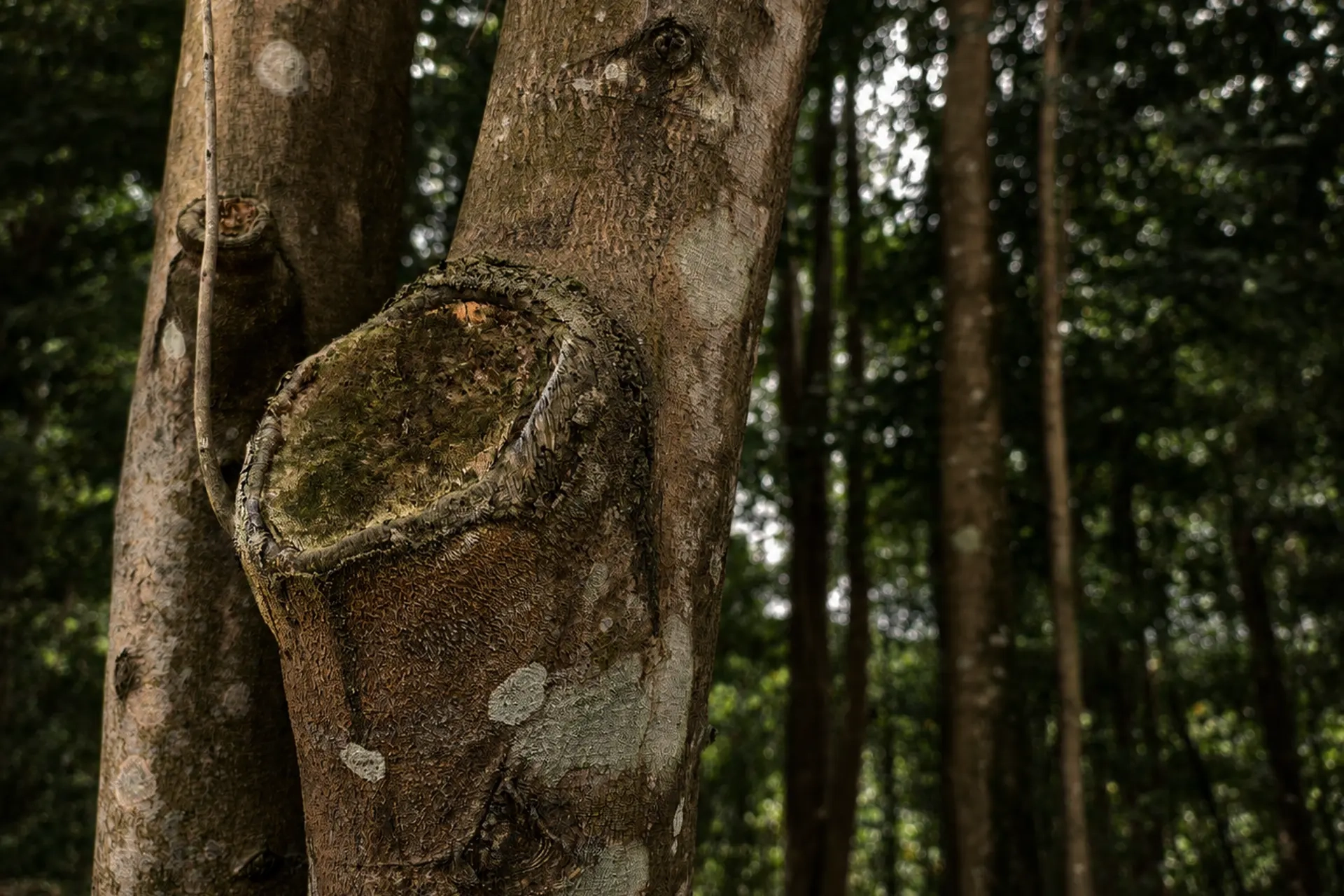
The genus Aquilaria is central to the story of agarwood. The fragrant material does not exist as ordinary aromatic heartwood throughout a healthy tree; agarwood develops through the tree’s biological defence response associated with factors such as injury, fungal interaction and pest attack, leading to resin accumulation within affected wood.
Malaysia’s five identified Peninsular Aquilaria species demonstrate why Malaysian agarwood should be understood not simply as a commodity, but as part of a broader biological resource. Recognising and studying species diversity helps strengthen conservation, identification and scientific understanding of Malaysia’s natural agarwood heritage.
UNDERSTANDING AQUILARIA
SPECIES
DIVERSITY
FOREST
HABITAT
TREE
IDENTIFICATION
RESIN
FORMATION
GENETIC
DIVERSITY
Native
Species