agarwood biodiversity
- WHY MALAYSIA?
A LAND SHAPED FOR AGARWOOD BIODIVERSITY.
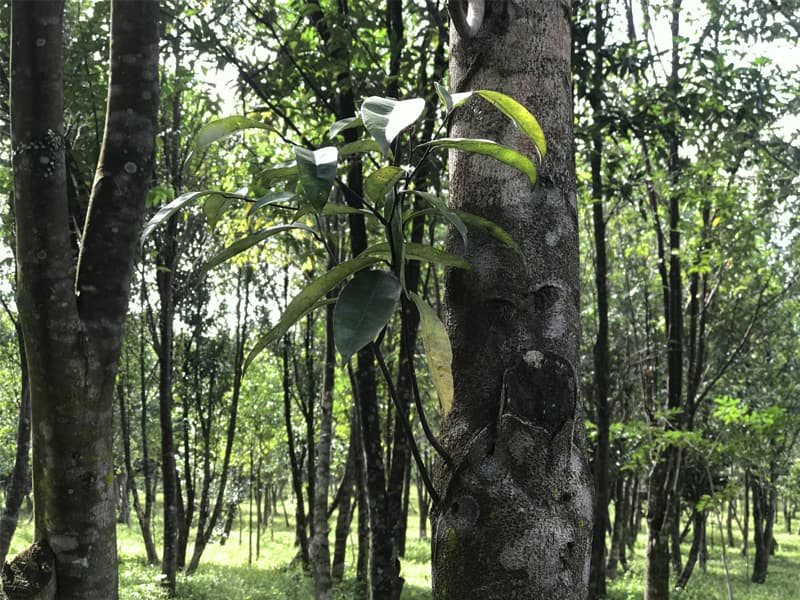
Malaysia’s tropical forests provide a remarkable natural environment for agarwood-producing Aquilaria. Warm, humid conditions, diverse forest habitats and rich biological communities create complex ecosystems in which these native trees have evolved.
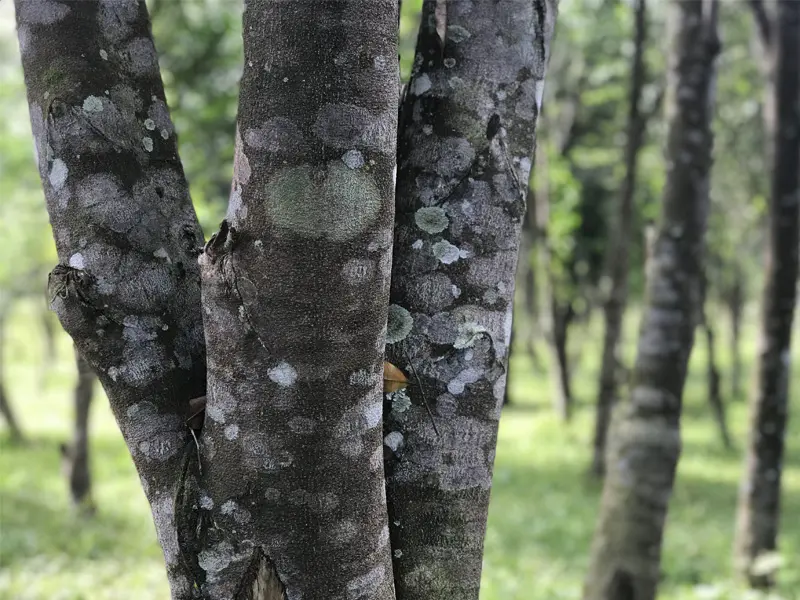
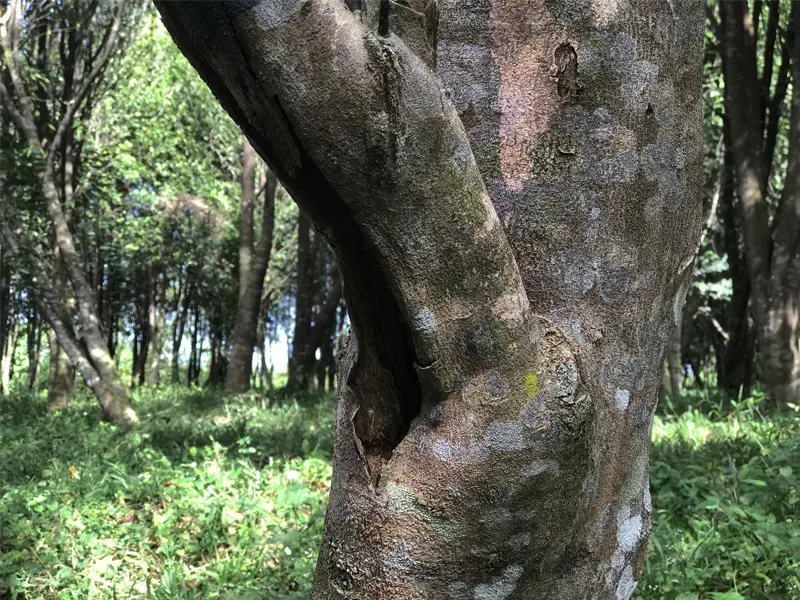
Peninsular Malaysia is home to five identified Aquilaria species — A. malaccensis, A. microcarpa, A. hirta, A. beccariana and A. rostrata — making the country’s native agarwood diversity an important biological resource worthy of greater study and protection.
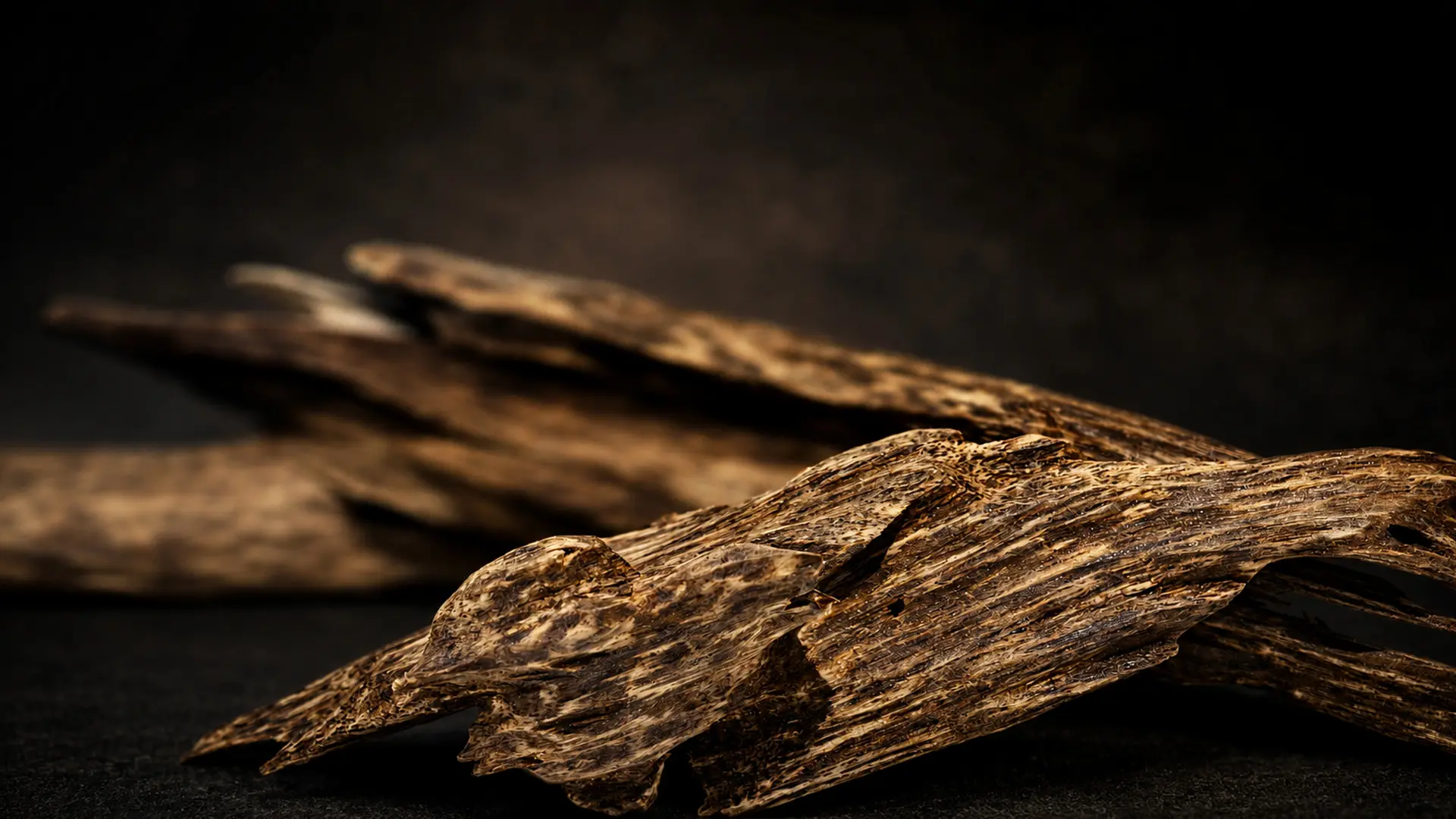
Within these ecosystems, agarwood formation involves a complex defence response associated with injury and biological interactions, including fungi. These interactions can influence resin formation and the volatile compounds responsible for agarwood’s distinctive and highly complex aroma.
TROPICAL ECOSYSTEM
Warm, humid environments supporting diverse forest life
AQUILARIA DIVERSITY
Multiple native agarwood-producing species
FUNGAL DIVERSITY
Complex microbial interactions associated with resin formation
AROMATIC COMPLEXITY
Natural processes shaping distinctive resin and fragrance
BIODIVERSITY PROFILE
REGION : MALAYSIA
ECOSYSTEM : TROPICAL FORESTS
GENUS : AQUILARIA
NATIVE SPECIES : MULTIPLE SPECIES
BIOLOGY : TREE, FUNGI & ENVIRONMENT
SIGNIFICANCE : RESIN, AROMA & GENETIC DIVERSITY
WHY MALAYSIA MATTERS
Malaysia lies within one of the world’s great tropical biodiversity regions. Its forests provide different habitats for native Aquilaria, including environments ranging from lowland dipterocarp forest to swamp and coastal hill forest. This ecological diversity forms part of the natural foundation of Malaysia’s agarwood heritage. A. malaccensis, for example, is documented across several forest types in Peninsular Malaysia.
Agarwood is not created by the tree alone. Resin formation involves a complex biological response in which wounding, environmental conditions and microorganisms can interact with the tree’s defence mechanisms. Understanding these relationships may help explain why natural agarwood can display such remarkable variation in resin and aromatic character.
MALAYSIA'S NATURAL ADVANTAGE
TROPICAL
climate
NATIVE AQUILARIA
species
FOREST
ecosystems
FUNGAL
diversity
RESIN
formation
AROMATIC
complexity